I’ve been meaning to do this little post for a month now, following my glorious January residency. What can I say? It’s a good thing I’m no longer in journalism!
Anyway — here it goes. Rebecca Stead, middle-grade author of Newbery-winning “When You Reach Me” and most recently, “Liar & Spy” came to Vermont last month to hang out at the Vermont College of Fine Arts. With her permission, I am passing some of her wise advice along to you, lucky readers of The Magic Mirror 🙂
“Tell your world.”
In her VCFA talk, Rebecca raised some big brave questions, such as “where does good fiction come from?” 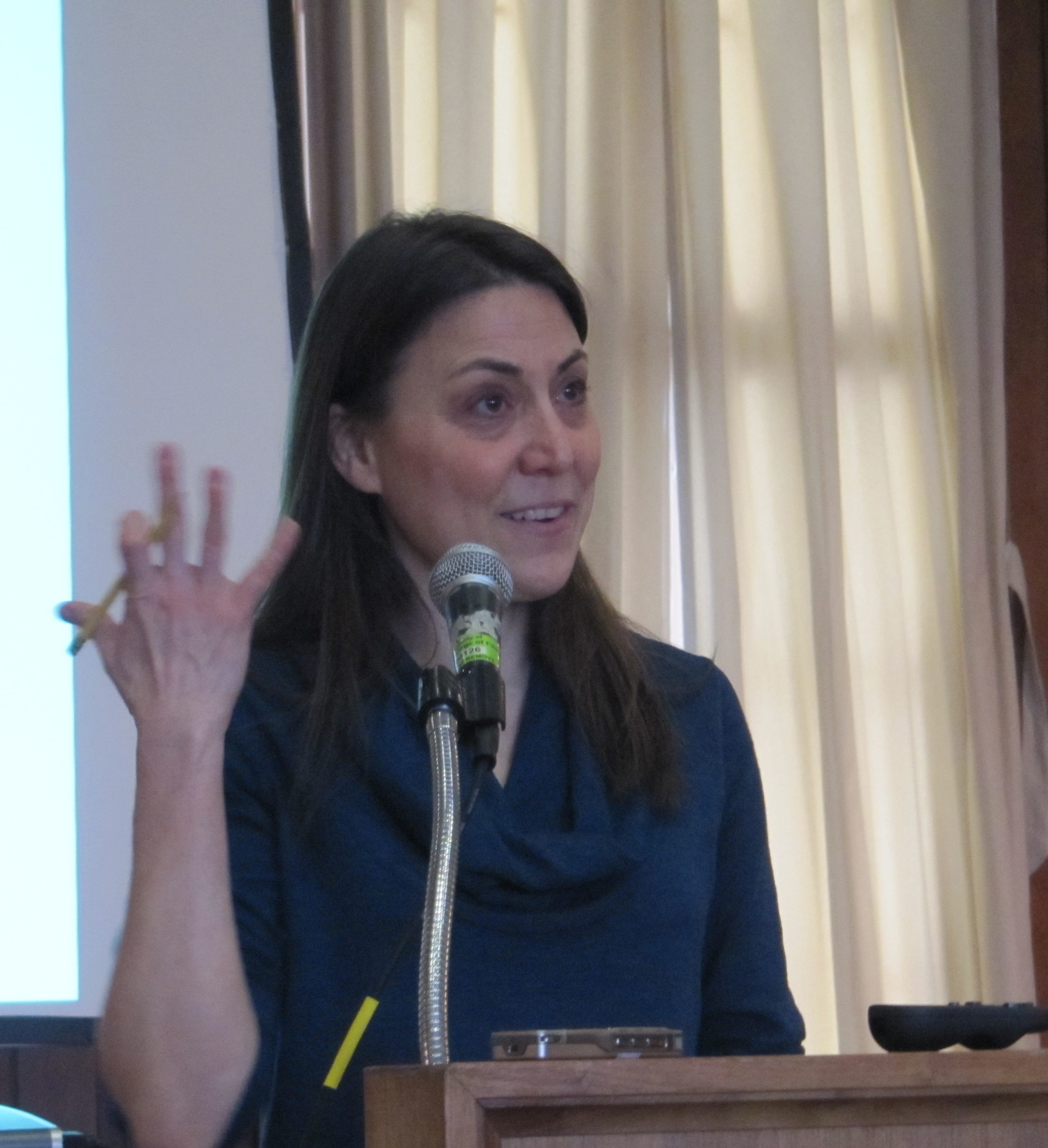
One place good fiction does NOT come from — cannot come from is “outside the writer,” Rebecca said. That is not to say every story has to be autobiographical, or that great stories can’t be fantasy, of course.
But every story must tell the truth, your truth, by revealing a unique, authentic world that can only come from you the writer.
According to Rebecca, our stories fail when we find ourselves seeking out a formula to follow, or “attempting to write what we think they know, as opposed to what we know.”
Instead, Rebecca urged each one of us to “tell our world.”
What I took away from this is that we need to stay true, true to the heart of why we write, what bothers and calls to us as writers. We need to stay true to the material our writing soul is made of. How can you produce anything close to greatness when anxiously scanning recent bestsellers for trends or trying to second-guess what readers want? Readers don’t even know what they want, half the time, not until they read it!
A lot of good writing starts with good questions, Rebecca said. “A lot if it is about the authenticity of the questions you’re asking,” she said.
“A good reader is like a dementor.”

Reading is not a passive experience. Readers, according to Rebecca, have a job. In that way they are like dementors, “sucking up” the writer’s insight. But you as a writer cannot simply put that insight on a serving dish and offer it to the reader. You can’t feed the reader, Rebecca said. “Readers need to feel like they’re essential to your story,” she said. “When I read, I want to feel hungry. I don’t want to feel stuffed.” In other words, don’t explain, don’t tell what you should be showing, don’t cram your conclusions down the readers’ throats. According to Rebecca, in “crafting a story that doesn’t stifle the flow of energy from the reader to the writer,” get rid of:
–“info dumps,
–problems raised and solved too quickly,
–characters explaining the meaning of their behavior,
— summary of emotion, summary in general”
— stating the questions the reader should be asking independently.
Rebecca said a story disappoints when she feels the writer “has taken my job as a reader away.”
She called upon us writers to “trust the reader!”
I hope you find this advice as inspiring, challenging and liberating as I did it.
Happy writing!


 Katiaesque
Leave a reply to Katia Raina Cancel reply